Landmarks
Some facts about the oldest and important parts of New Moston.
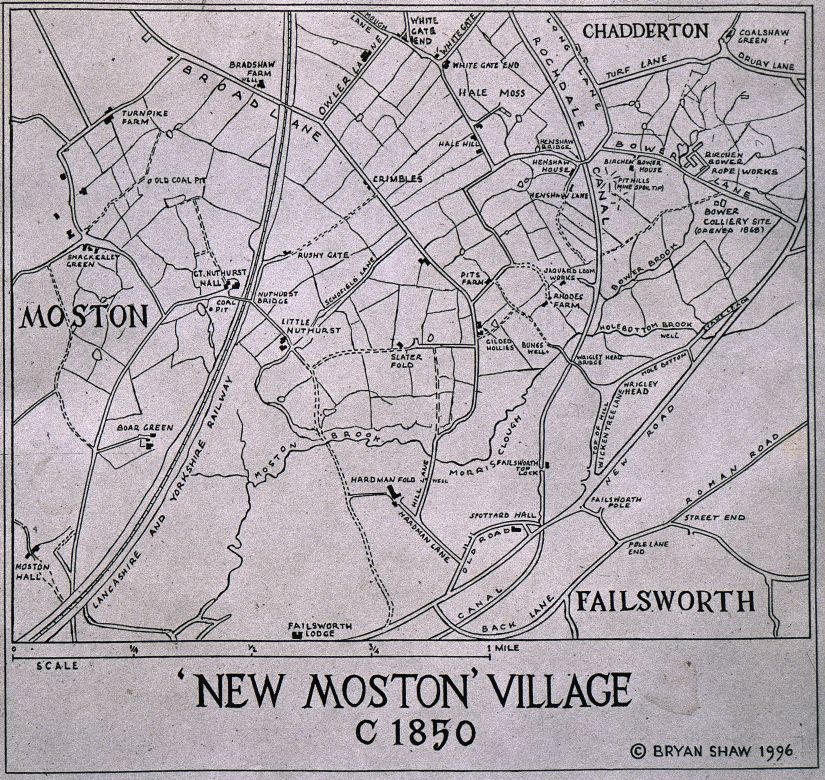
New Moston as it was in 1850
You can see that it was largely countryside apart from a number of farms, mills and collieries, more of which we’ll cover in greater detail further down this page.
Being 1850 there was no road through from the Failsworth side, as Hale Lane had not yet arrived. The only way in from the Failsworth side was via the footpath at Wrigley Head, across the (then level) railway crossing, drop down in to the dell and then back up in to New Moston.
The original five streets of New Moston were Dixon Street (Belgrave Road), Jones Street (Eastwood Road), Scholes Lane/Frost Street (Hawthorn Road), Ricketts Street (Parkfield Road North) and Potts Street (Northfield Road).
In 1890, New Moston was adopted by Manchester City Council and then in 1900 these streets were renamed to their current versions, probably as the council already had other streets named the original names elsewhere in the borough.
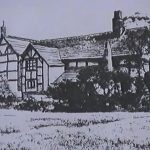
Great and Little Nuthurst Hall – Nuthurst Road
These were historic manor houses built in the 1300s.
Great Nuthurst Hall was the home of the Chetham family, whereas Little Nuthurst Hall was the home of the Chadderton family. It was here where William Chadderton was born, who later became the Bishop of Chester and later by the Bishop of Lincoln.
The place-name ‘Nuthurst’ still exists in the area, as the land was purchased by a society in the 20th century to build housing.
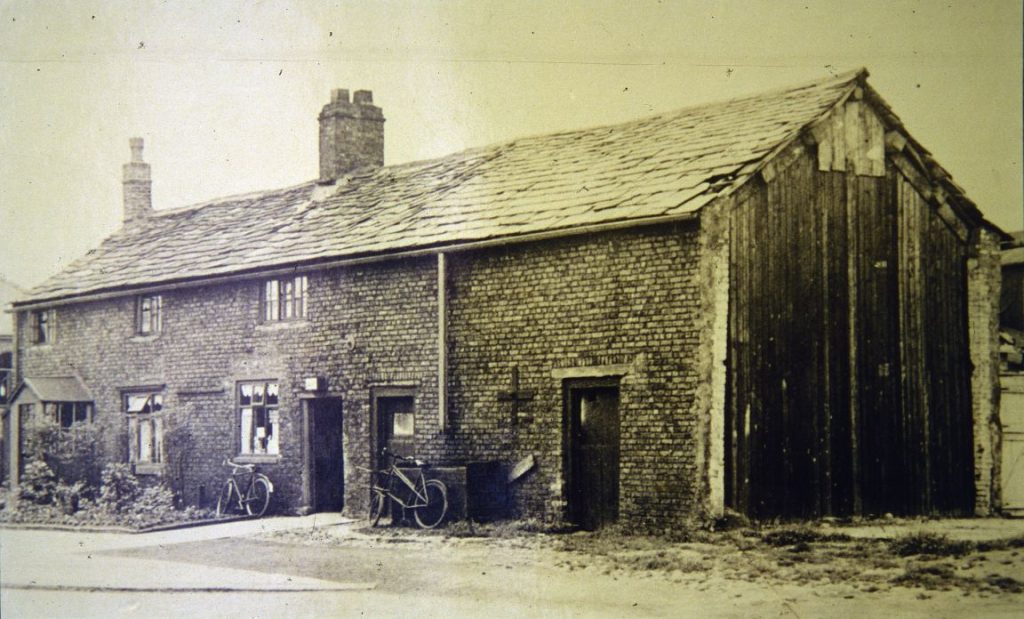
Pitts Farm – Hawthorn Road
This is believed to be the oldest building in the area that is still standing from that era.
Believed to be built in the 1700s, this farm building was used throughout the decades and in the 20th century was a dairy. Known families residing here include the Scholes’, Wild’s, Barlow’s and Halliwell’s – who supplied milk and eggs, as well as iced treats.
Later in the 1970s it become a store known as Mack’s Stores. Today, the building is two converted family cottages.
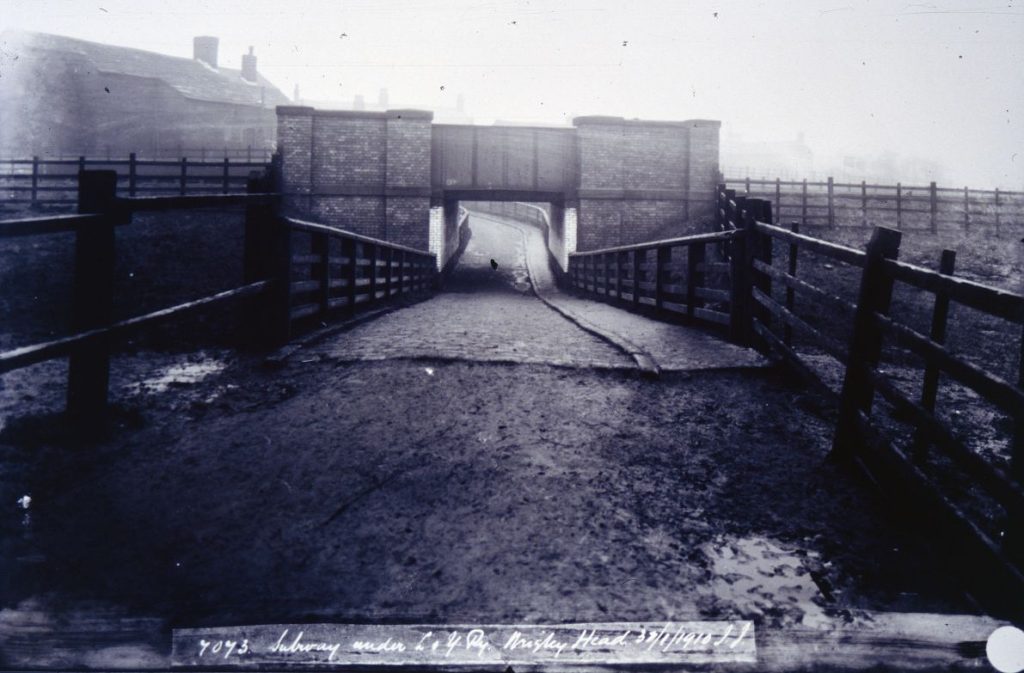
Wrigley Head – Crossing and Bridge
Wrigley Head was, and still is a pedestrian crossing between Failsworth and New Moston. It crossed the railway and originally this was a level surface and you had to cross the railway line. It unfortunately took the death of two children who lived on Parkfield Road North before an underpass was built – after much lobbying by the local residents.
Countless people who worked at Ferranti’s crossed Wrigley Head every day. It is still heavily used today by people from both sides of the border.
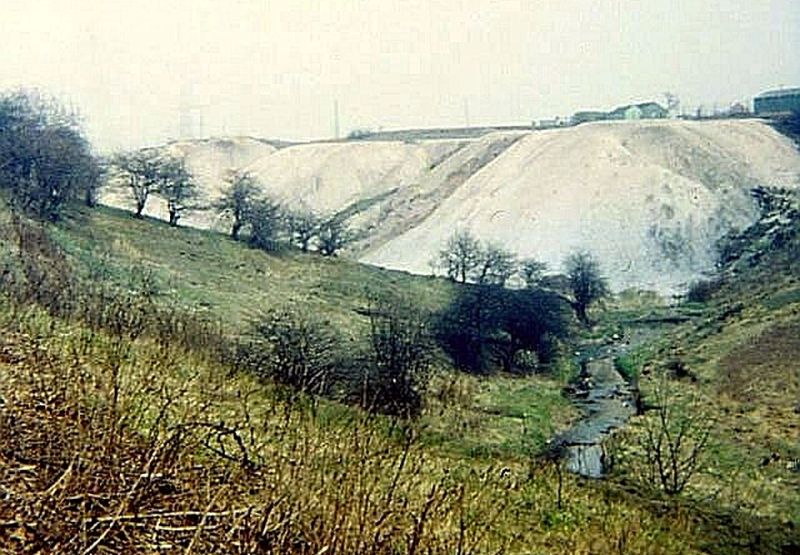
On the Failsworth side of the crossing was known as the ‘White Stuff’ – which was the result of it being used as a material waste ground, and said to deposited by a material works in Miles Platting. It was an ashy type substance with parts of small broken brick and other particles. It was used to build up the ground so that a footway could be built across.
The Wrigley Head bridge itself which goes over the canal was built around 1802 and still stands today (with a few repairs!)
Before most houses had a mains water supply, they would have to collect their water from ‘Bungs Well’ which was situated after the crossing in to New Moston.
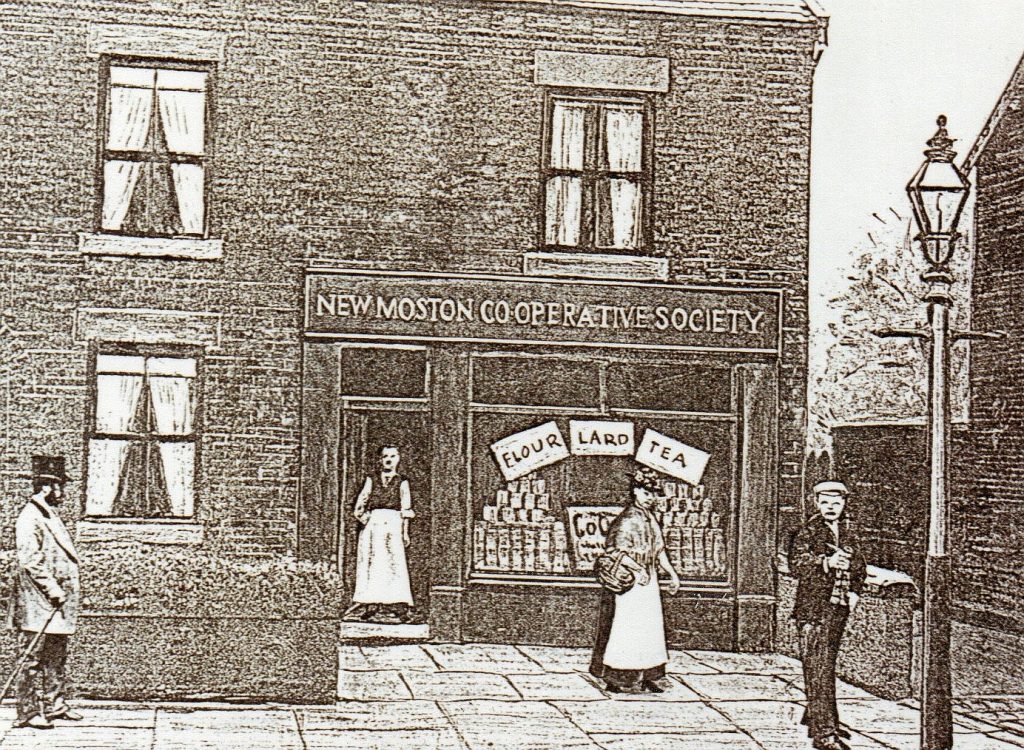
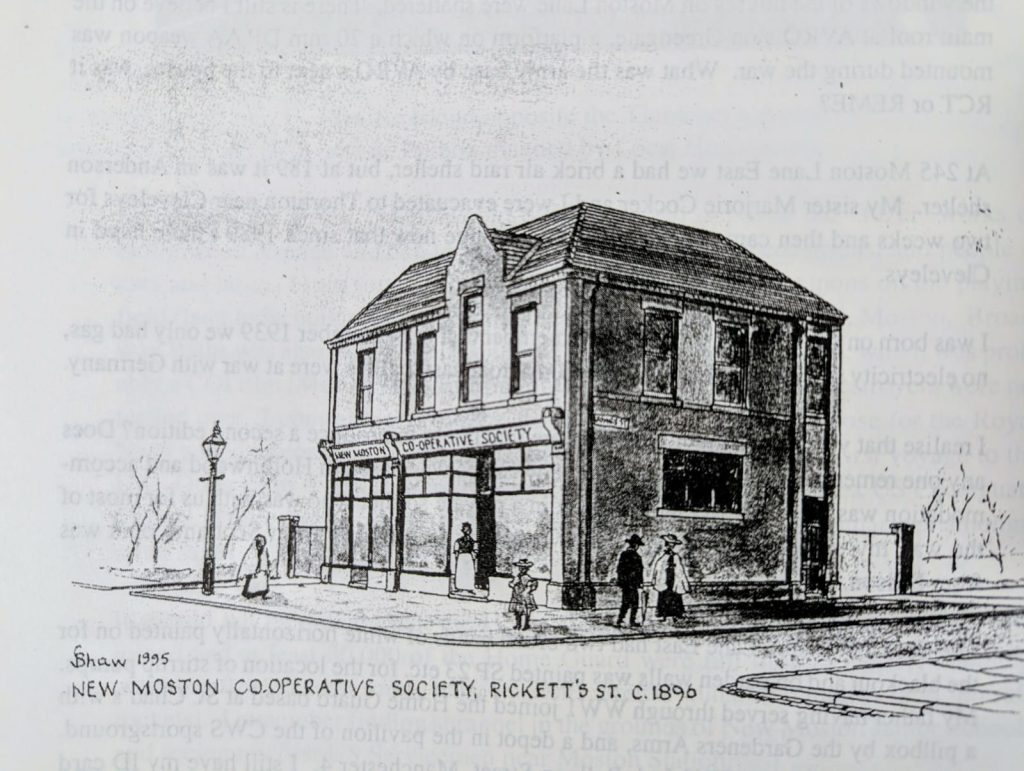
Co-operative Society
The first Co-operative store was built on Eastwood Road in New Moston. The Co-operative owners in Failsworth people could not be convinced, at the time, to open a store in New Moston, so the local people got together to form the New Moston Co-operative Society.
The first store was a success, so they built another store on Hollinwood Avenue at Glossop Terrace and then also on the corner of Parkfield Road North and Eastwood Road. In it’s day this was a large store containing a grocers, butchers, haberdasheries, ironmongers and a cake shop.
The rooms upstairs were let to various societies to hold their meetings, and a dance centre was opened and still operates today.
There are a number of foundation stones on this large building, but the only remaining legible one shows the stone was laid by W.T. Jackson on 24th August 1895. It is almost certain that W.T. Jackson was the father of Charlie Jackson, who did lots of work for the Primitive Church further down Eastwood Road.
It was further extended as required to offer more space, and the building is still being used today by several local companies and NEPHRA Good Neighbours, who provide many community servers for local people.
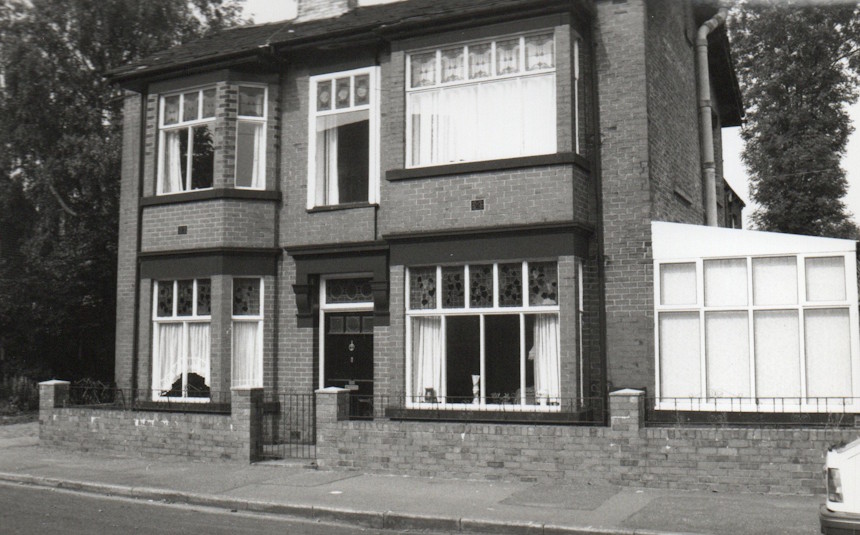
Vine House – Parkfield Road North
This was one of the most important houses in New Moston. It had stables and servants quarters attached to it.
The house was built in 1776 and was rebuilt in the 19th century after being completely gutter due to a fire, which locals say was as a result of children playing with fireworks in the attic.
Elijah Dixon, who was the founding father of New Moston, lived here and died in 1876, after which it then became the home of the Ingham’s who were associated with St. Chad’s Church.
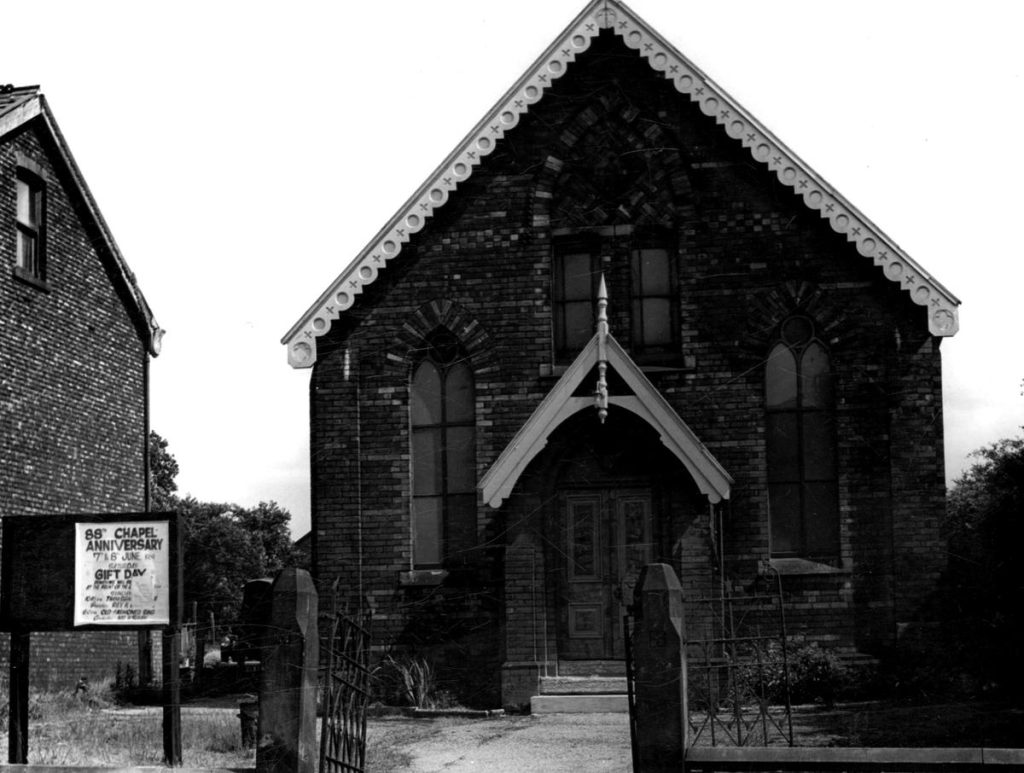
Primitive Methodist Church – Eastwood Road
This was built in 1881 and looks the same today as it did back then. It had an orchestra, a cricket team, a football team, and many other groups over the years. There was also a tennis court on the site.
After the second world war, the government commandeered the Sunday school at the rear and converted it to a gas decontamination centre – but thankfully it was never used.
Gradually over the following years the congregation slowly fell away and it was closed in 1972. It is now operated by the Full Gospel Church.
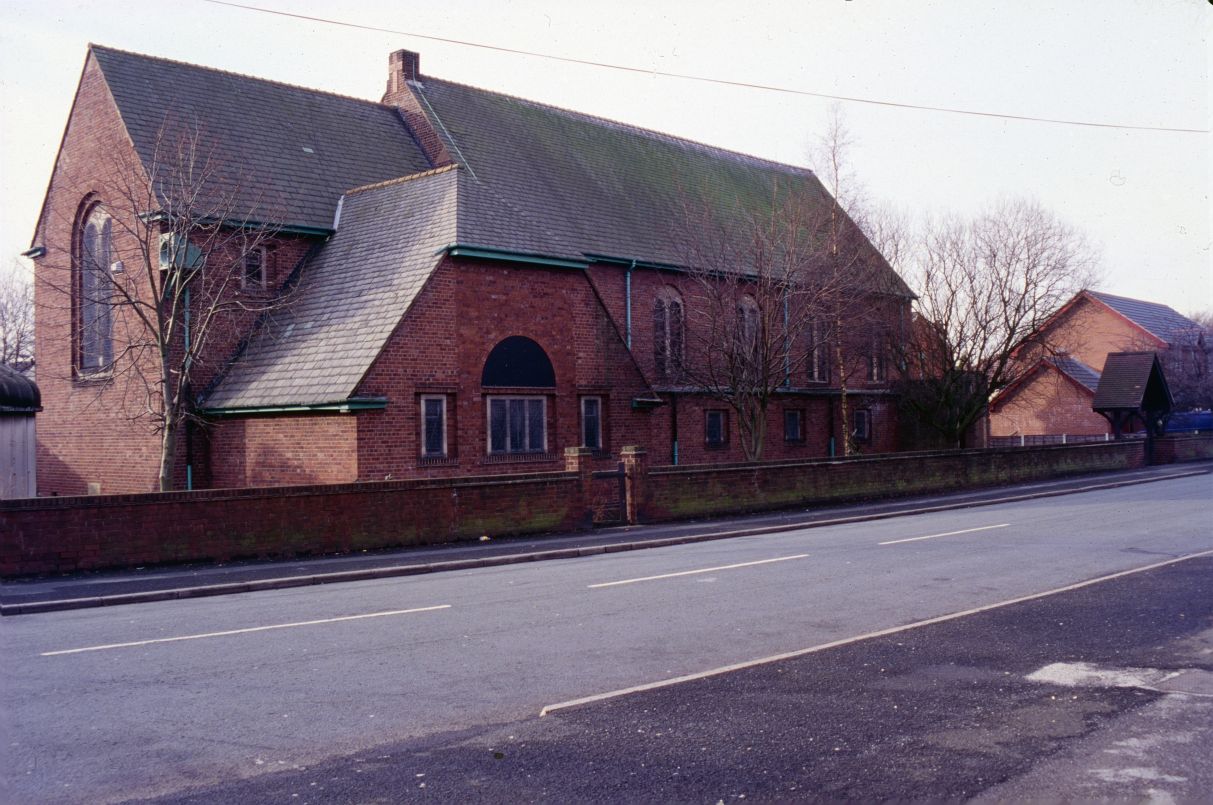
St. Chad’s Parish Church – Hazeldene Road
This large Church of England church was opened in 1931. It was originally a smaller tin building on the site of the current Hazeldene Medical Centre.
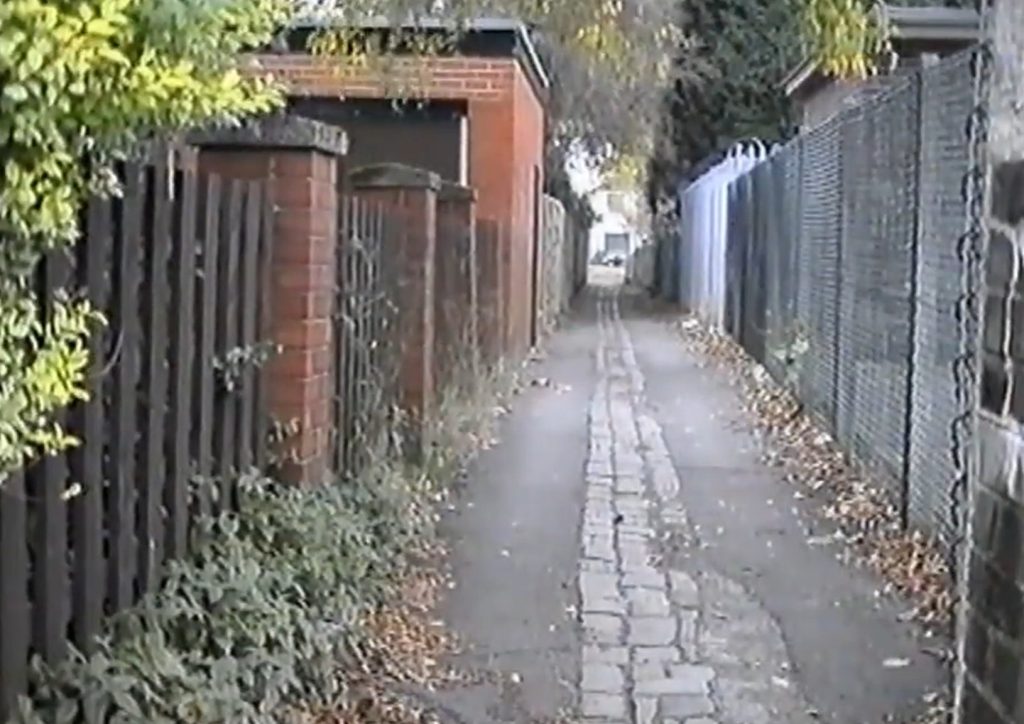
Hawthorn Road – The Ginnel
Before all the houses were built in New Moston, this was originally a direct straight path between Pit’s Farm and Wrigley Head, between the countryside and fields. It is an ancient right of way.
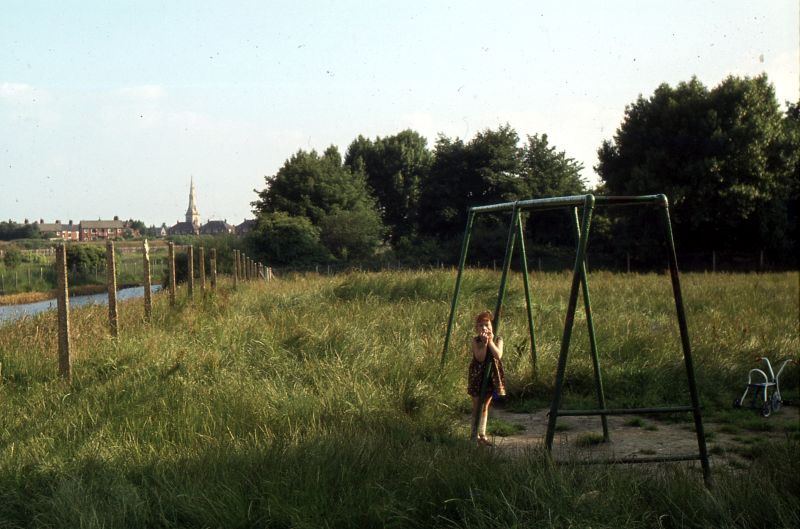
Jacquard Loom Works – Northfield Road
This was situated at the rear of Ravenleach House (or Raven’s Leach) on Northfield Road.
There used to be a small jetty off the Rochdale Canal which the barges would use to load and unload from the works.
In later years, there was a small playground on the site of the old loom works as pictured here in the 1990’s. You can see the canal to the left.
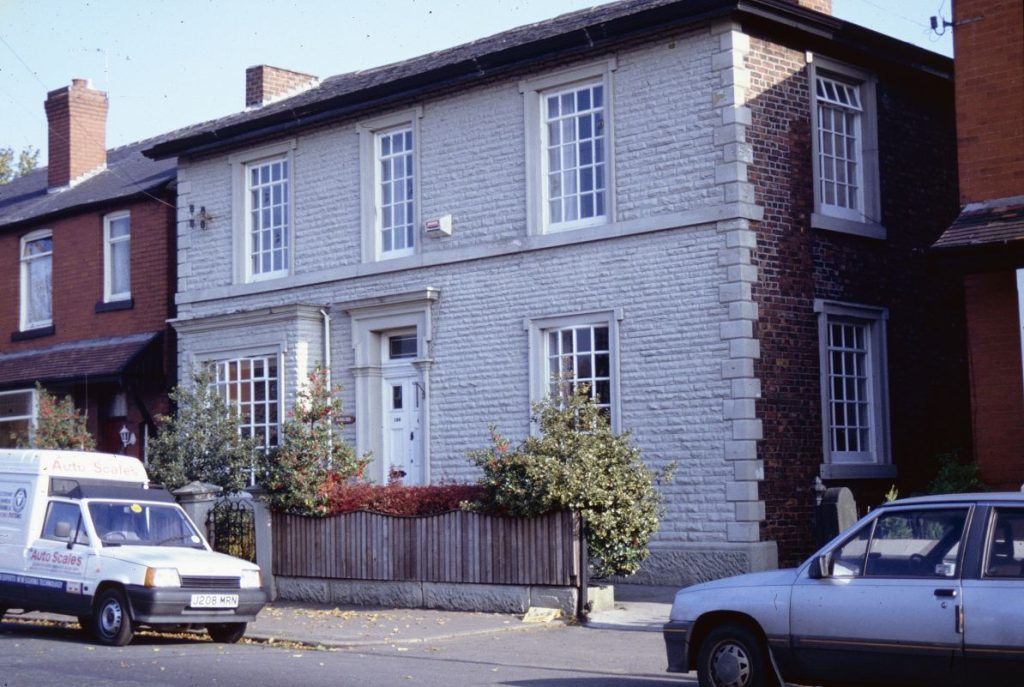
The Hollies – Moston Lane East
Two of the main doctors lived here during the mid to late 1950’s, before Hazeldene Medical Centre was built – Dr. Parry and Dr. Bannatyne.
Bannatyne Close off Eastwood Road was named after the doctor.
Another doctor, Dr Poston and his partners built the current Hazeldene Medical Centre.
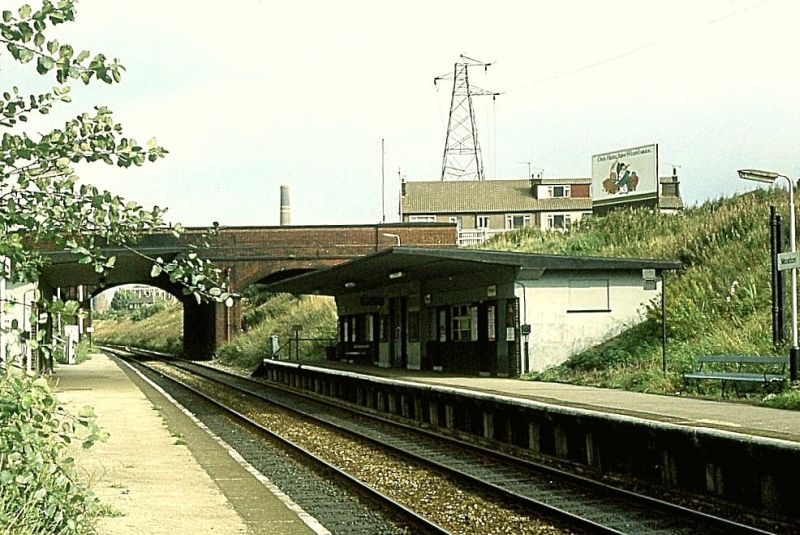
Moston Station – Hollinwood Avenue
Originally operated by the Lancashire and Yorkshire (L&Y) Railway, the line and station was fully operating by 1872.
It is still operating today and serves Manchester, Rochdale and Leeds.
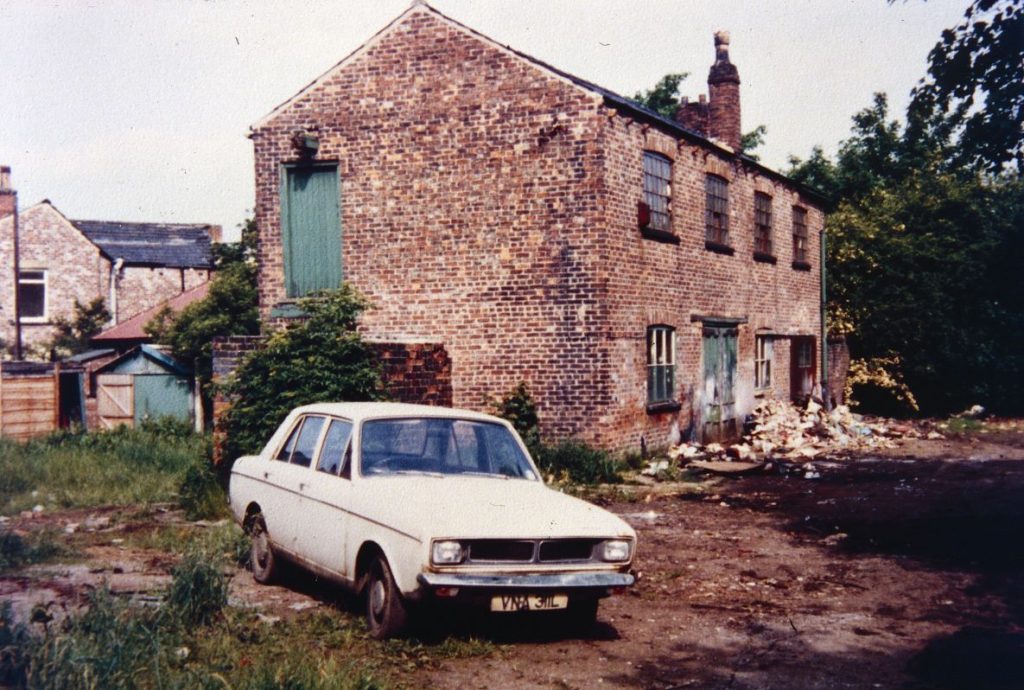
Tin Whistle Works – Eastwood Road
Robert Clarke and his family, from Suffolk, came to Manchester in the 1850’s and began making simpleton whistles. He came to New Moston as back then, it was largely countryside and peaceful – and he choose New Moston as it reminded him of his home back in Suffolk.
Robert and his family lived in No. 13 and his sons live in No 15. They began making tin whistles in the basement of the house, but as demand grey, they built a two story detached workshop at the rear of the house. As well as this workshop, they also built Weston House on the site of the Community Garage on Eastwood Road (later demolished in 1960), followed by Ballure House facing the shops on Moston Lane East (also now demolished). Many generations of the Clarke’s lived here over the following decades.
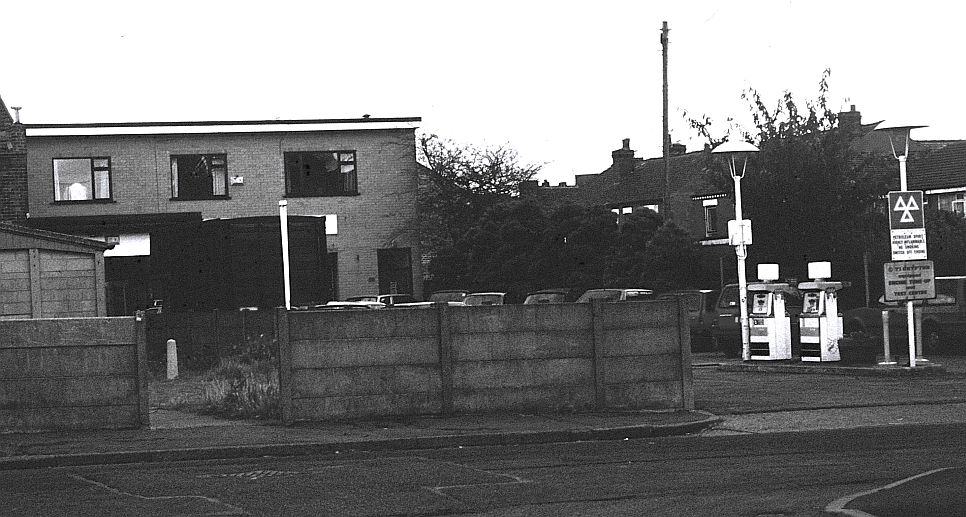
Community Garage – Eastwood Road
This garage was built in the 1960’s for Bill Green who was a local mechanic who helped out with motor car repairs. Because of this he named the building ‘Community Garage’.
Sadly, during a fishing trip in Northern Ireland, his wife sadly drowned on and after this he gave up the garage. Petrol was also sold here for a while.
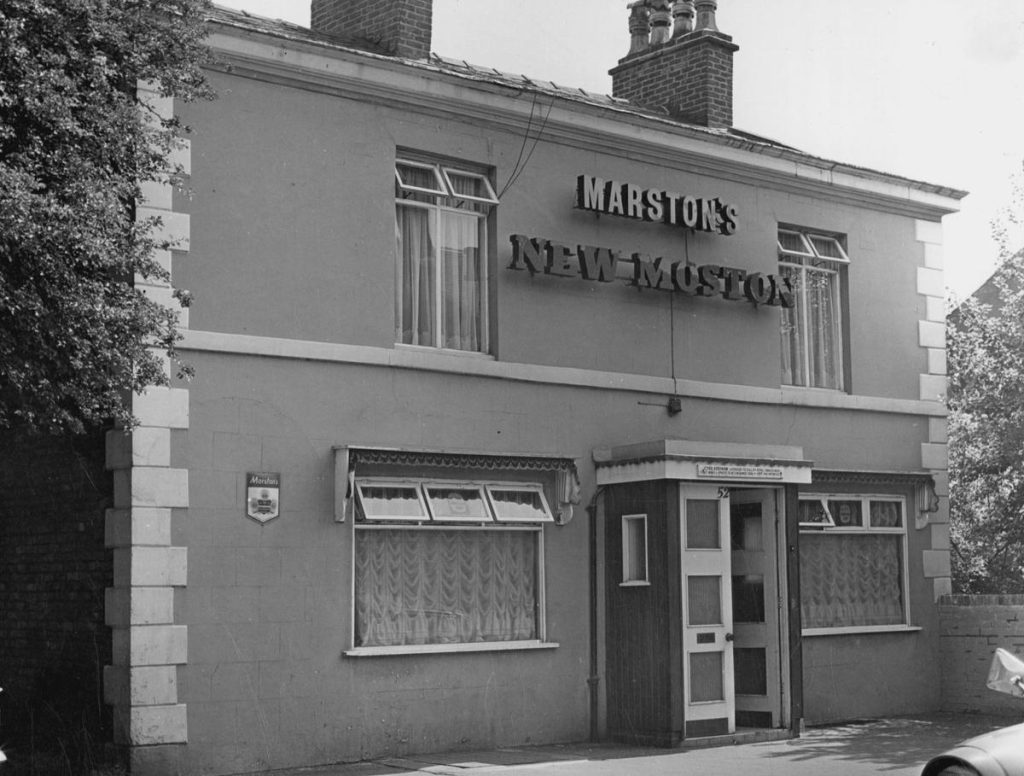
New Moston Inn – Belgrave Road
This used to be two cottages, one of which one was used as a beer house as early as 1863. Inn 1871, the cottages were rebuilt and merged as one by Rothwell’s brewery in Newton Heath.
The pub is still open today and well used. It’s current landlord has had murals put on the walls to show it’s history in the community over the years.
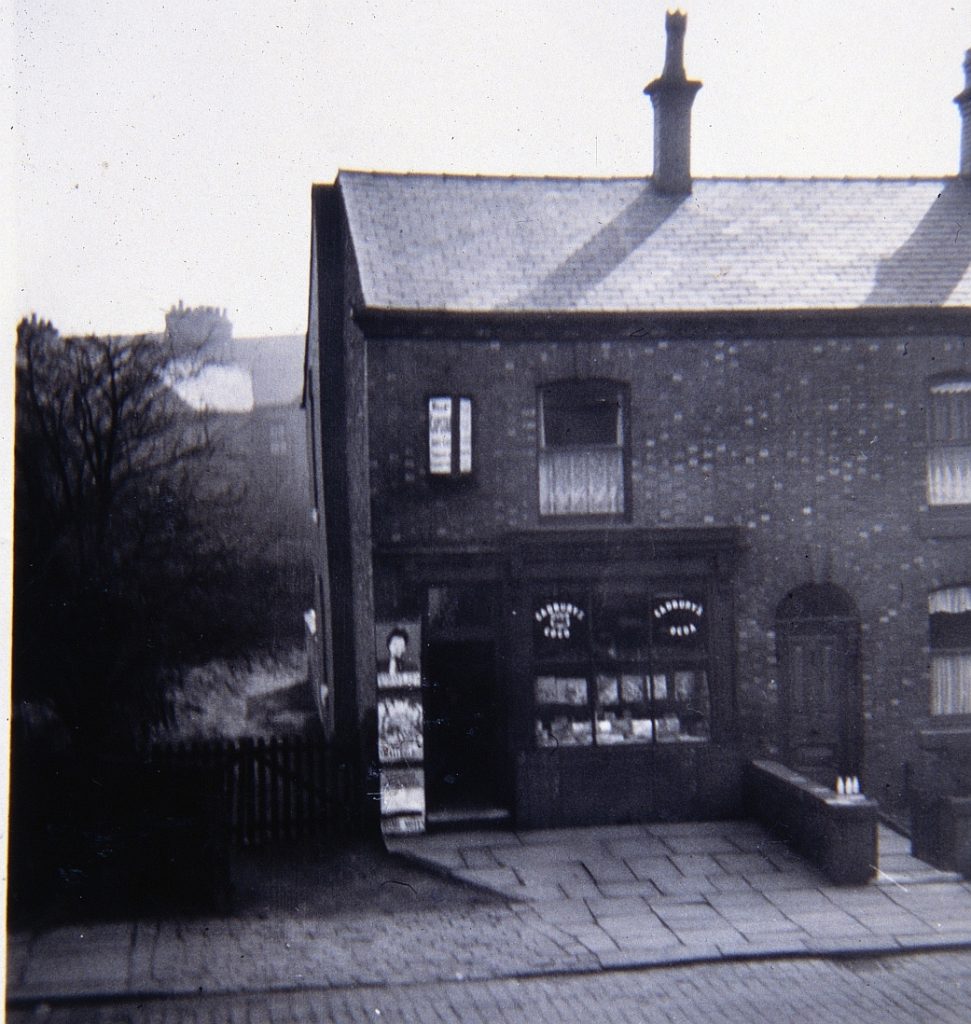
Post Office – Moston Lane East
The first post office of New Moston was opened as a small room inside a confectioners shop. As the need grew, it soon moved to a different premises on the corner of Moston Lane East and Eastwood Road, then to the junction of Moston Lane East and Broadway, and finally settled in its current location on Hollinwood Avenue, the corner of Owler Lane.
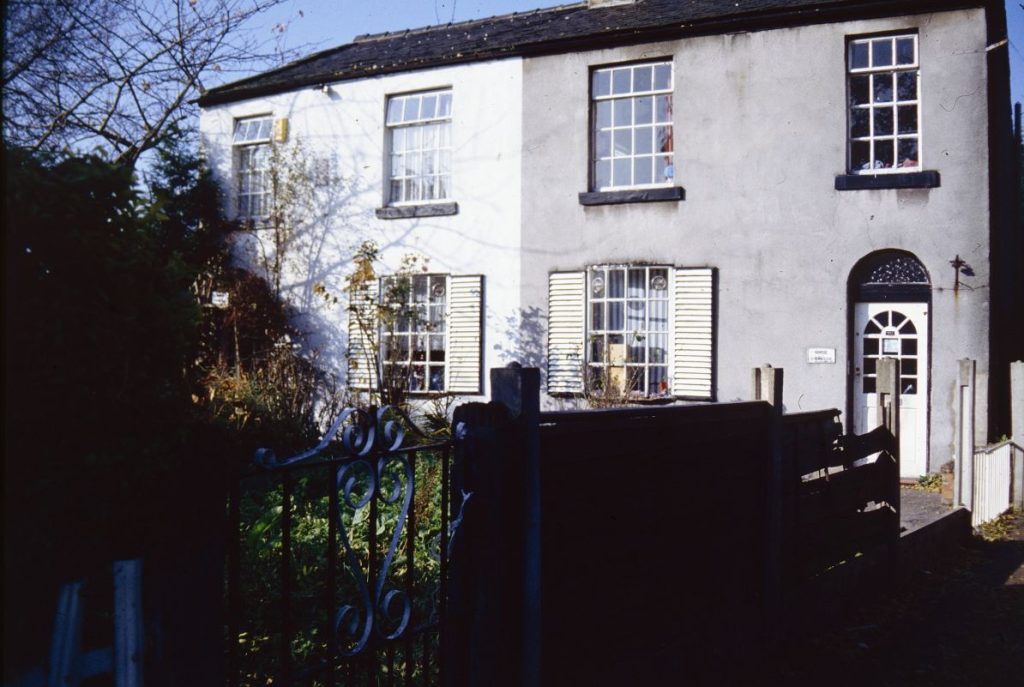
Rose and Moss Cottage – off Hawthorn Road
These pair of cottages is believed to be one of the oldest surviving buildings that is still used as a family cottage today.
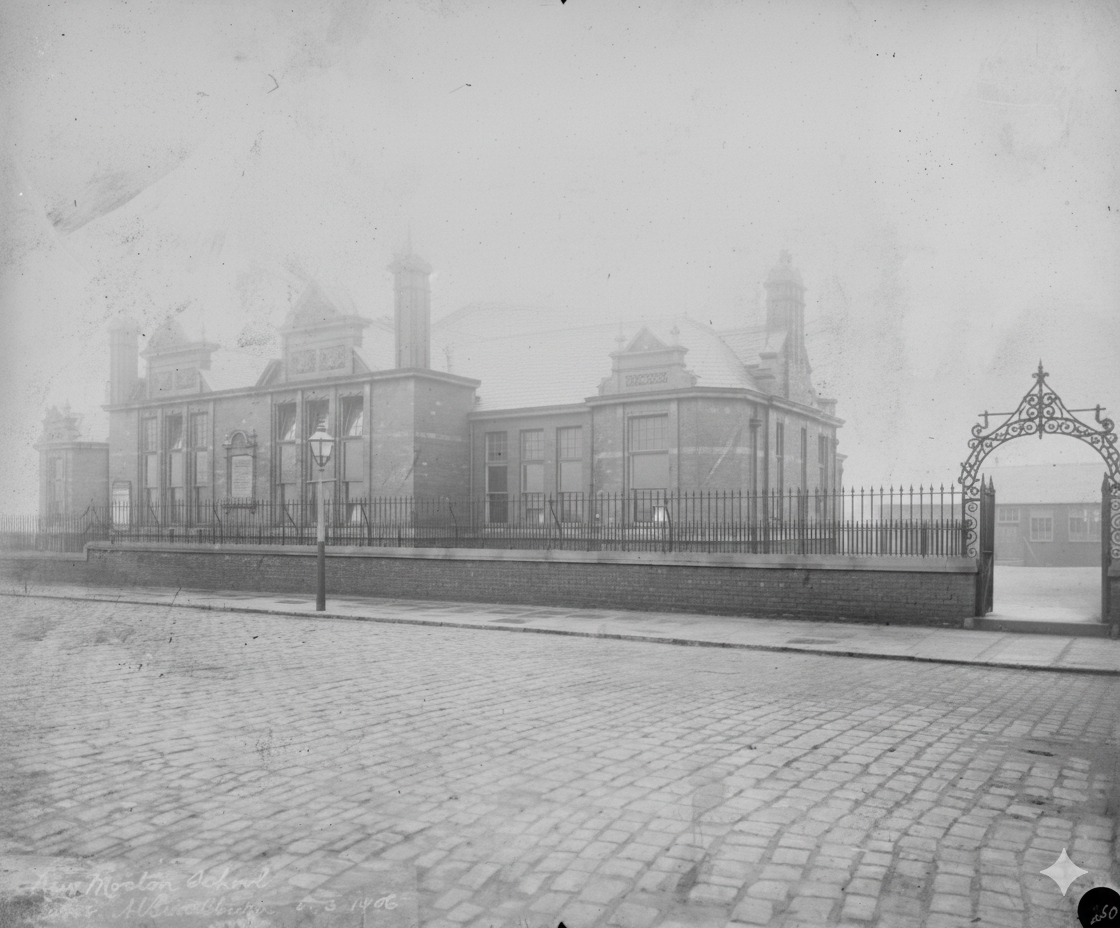
New Moston Board School – Moston Lane East
The original Board School opened 8th April 1902 used to cater for all years – Infants through to Seniors. It catered more than 400 children.
Later, it became the senior school and a separate infant and primary school was built just to the right of the site. After closing, the building was known as the Trade Works, and later the New Moston Community Centre. It was finally demolished to make way for the new housing estate on Parkhurst Avenue. After it was demolished, a memorial stone of the Board School was laid in the grounds of New Moston Primary School in memory.
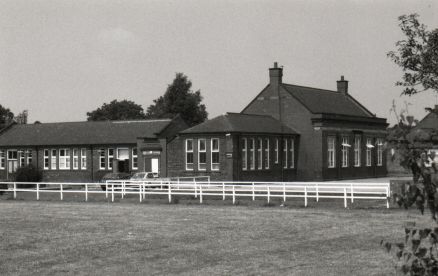
New Moston Primary School – Moston Lane East
New Moston Primary School was founded in 1901. Many children have gone through both the Infant and Primary schools on this site, before moving on to New Moston Senior School next door.
T.B.C.