The History of New Moston
Here’s some information about where it all began.
The district was historically part of the Manor of Nuthurst, lying within the historic township of Moston, and was distinguished by its two manor houses, Great Nuthurst and Little Nuthurst Halls. The halls have long since been demolished but the place-name Nuthurst still survives in the area in the guise of Nuthurst Road and Nuthurst Park.
Up until 1850, the area was known as the ‘top end of Moston’, which comprised of six farm holdings belonging to the owners of the Nuthurst Halls.
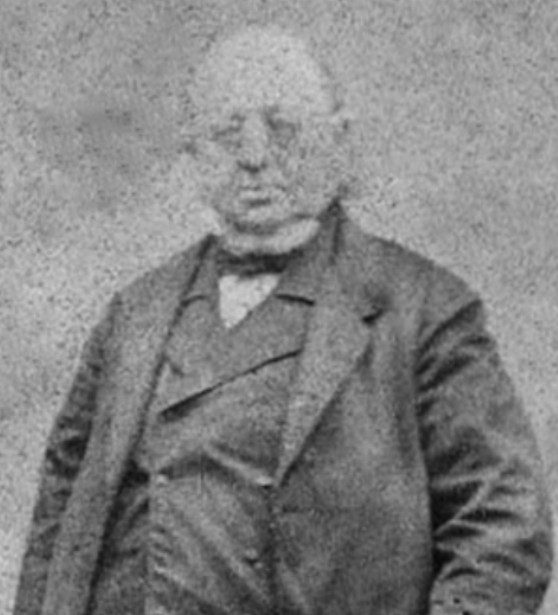
In 1850, ‘The Manchester Bridgewater Freehold Land Society’ was formed by Elijah Dixon and his colleagues, with the aim of allowing ordinary workers a chance to acquire land, for housing or allotments, away from the smoke and pollution of overcrowded industrial Manchester.
In March 1851, Trustees of the late Samuel Cheetham Hilton (died 1835, formerly of the medieval Great Nuthurst Hall) sold 57 acres of land to Elijah Dixon, William Ricketts and James Gaskell, of the above Society, for £2,900. The total cost of building houses, streets, etc., for Society members estimated at c.£8,000 (for 230 allotments).
A further £5,000 was invested by the society in laying out new streets to serve the plots. In 1853, Moston Brook was culverted at what is now Hale Lane in Failsworth and the hollow filled in to permit a road wide, level, and firm enough to take carts and carriages into the estate at ‘New Moston’. The name chosen reflected Robert Owen’s model housing schemes such as New Lanark and New Harmony.
This new access road was joined with the existing Hardman Lane. Morris Lane (now Hale Lane) ran into Moston Lane (now ‘East’). The new road, connecting with Oldham Road, gave an easier route to Manchester, Oldham, or beyond.
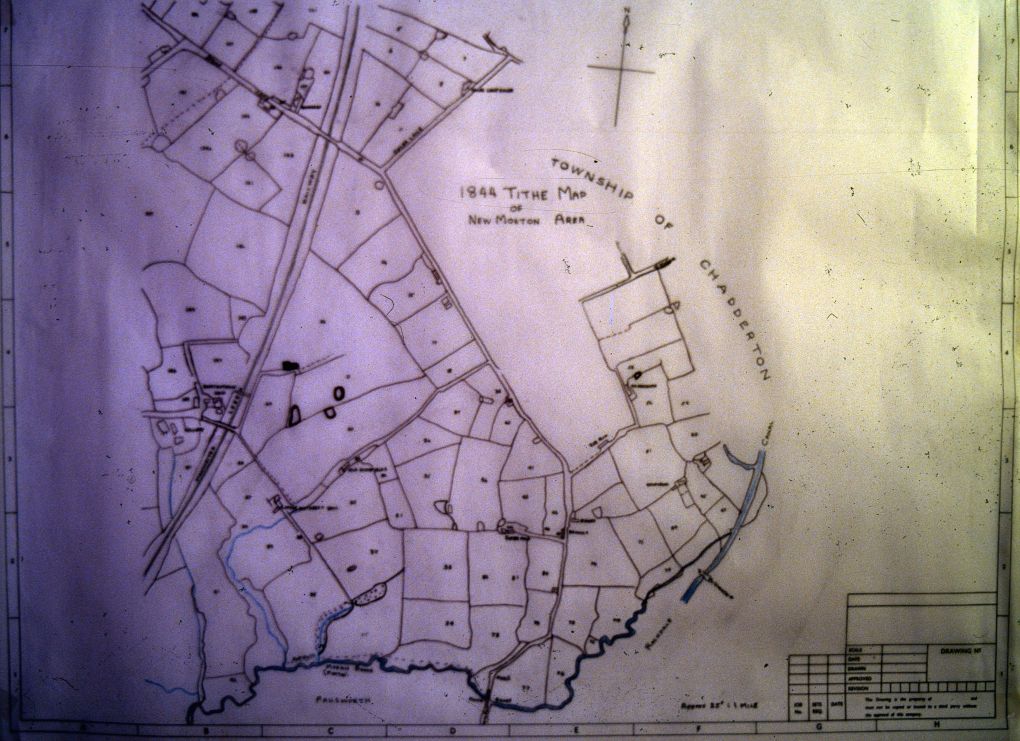
In the 1861 census, we can see that the area was known as ‘New Moston Estate’ – with no named streets still.
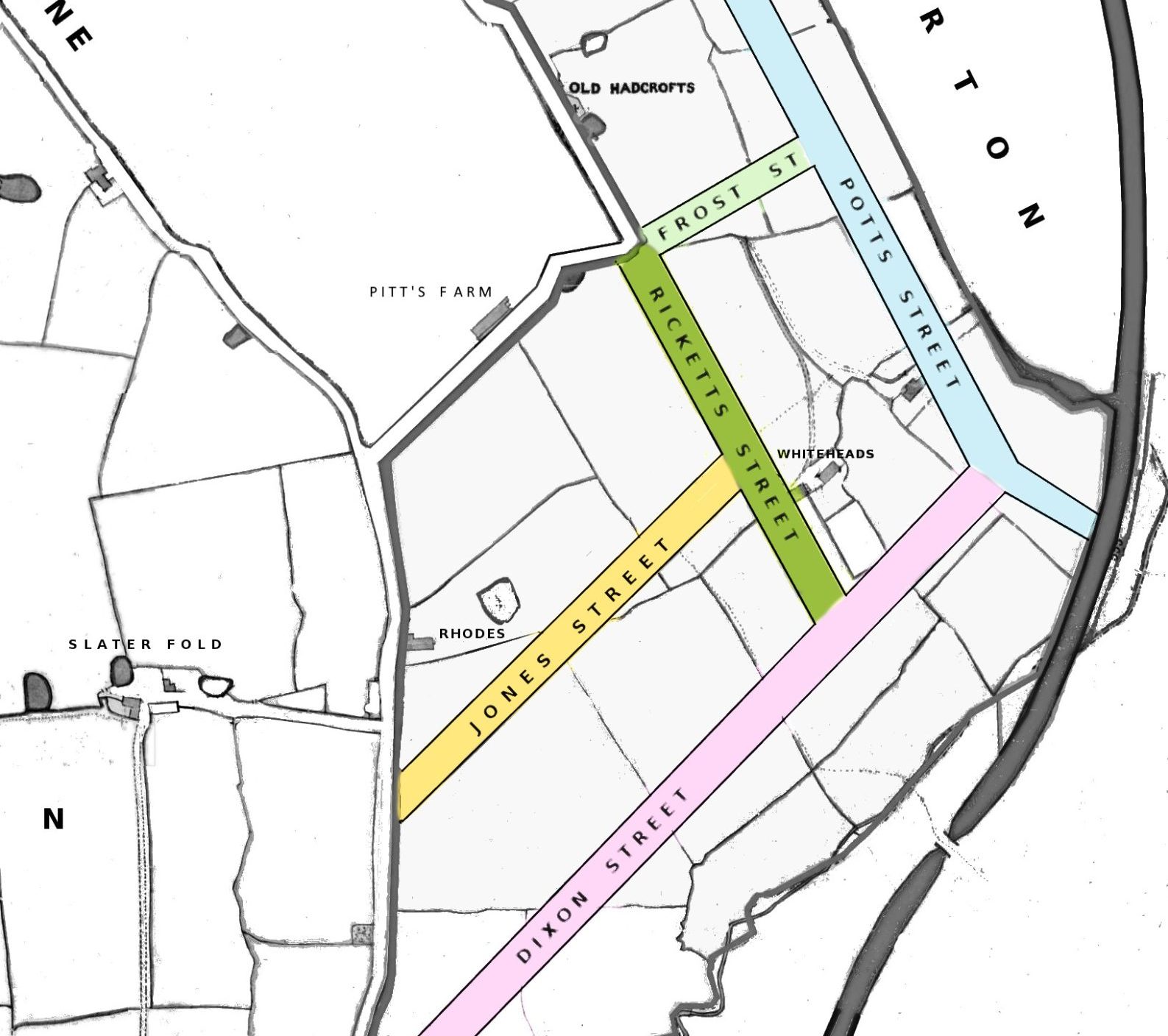
Soon after this date, five streets were formed – Dixon Street, Ricketts Street, Potts Street, Jones Street and Frost Street. These were later renamed Belgrave Road, Parkfield Road North, Northfield Road, Eastwood Road and – combined with the existing Scholes Lane, past Pitts Farm – Hawthorn Road respectively.
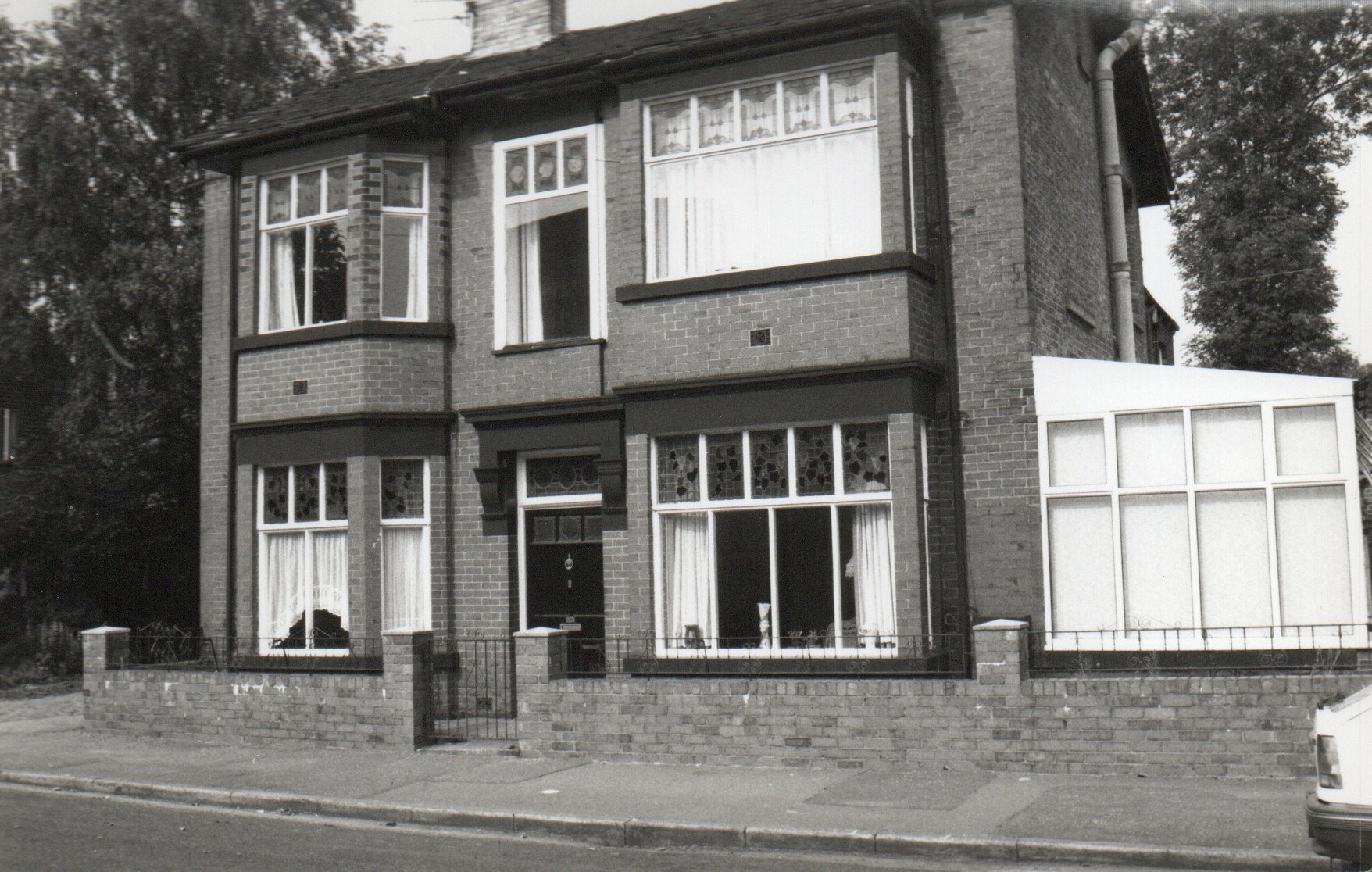
Houses had begun to be built, some of the earliest surviving ones being Rose and Moss Cottages, Ivy Cottage and by 1863, a pair of cottages on Dixon Street, one of which was used as a beer house. By 1871 this was already named the New Moston Inn; in the 20th century the two cottages were rebuilt and merged as one.
In the 1871 census we can see that Elijah Dixon himself lived at Vine House on Rickets Street (Parkfield Road North).
In the 1893 electoral roll records, New Moston now comprised of the following streets:
– Dixon Street (renamed Belgrave Rd 07/05/1900)
– Frost Street (the north east end of Hawthorn Road)
– Jones Street (renamed Eastwood Road)
– Moston Lane (renamed Moston Lane East)
– Owler Lane (part of, now intersected by Hollinwood Avenue)
– Potts Street (renamed Northfield Road)
– Ricketts Street (renamed Parkfield Road 07/05/1900, then Parkfield Road North 16/04/1969)
– Scholes Lane (the south west end of Hawthorn Road, where Pit’s Farm lied)
– Warriner Street (renamed Circular Road 03/02/1904, then Chauncy Road 15/12/1954)
There was little change after Elijah’s death, until Moston and New Moston became part of Manchester in 1890. Many little-used plots began to be sold to developers, and the next twenty years or so saw a massive expansion of housing, both within the original area, with the addition of side streets and avenues, and beyond, as neighbouring farms were gradually sold off.
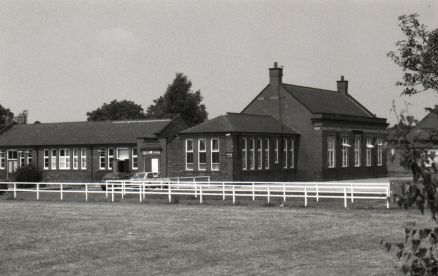
Schools were built on what had been Brown’s Farm, Slater Fold Farm gave way to Nuthurst Road, the park and the avenues around Hazeldene Road, and Crimbles Farm, the last to go, enabled further expansion along Moston Lane East, extending right up to the Chadderton boundary. Nuthurst Park was officially opened in 1915.
From 1925 onwards, the building of Broadway spurred further expansion to the area.